How To Stay Safe While Waiting For Roadside Assistance At Night In Newcastle
Breaking down at night is a different experience to a daytime roadside stop. Visibility drops, traffic behaviour changes and unfamiliar surroundings can heighten stress quickly. For many drivers, the uncertainty of what to do next is often more unsettling than the vehicle issue itself.
Whether the problem is a flat battery, mechanical failure or accident damage, knowing how to protect yourself while waiting for help can make a meaningful difference. Staying visible, making calm decisions and understanding what actions reduce risk are key when roadside assistance is required after dark.
Night-time breakdowns often involve reduced traffic flow mixed with higher speeds, limited lighting and drivers who may not expect a stationary vehicle ahead. These conditions increase the importance of early warning signals, safe positioning and personal awareness. Small actions taken early can reduce exposure to passing traffic and help create a safer buffer while assistance is on the way.
This guide walks through practical, step-by-step considerations to help drivers remain safe while waiting for help to arrive. It focuses on awareness, visibility and personal safety, with guidance that applies across a range of night-time roadside situations.
Choosing A Safer Spot When You Pull Over After Dark
Where a vehicle stops can significantly influence safety, especially at night. When possible, positioning the vehicle away from active traffic lanes reduces exposure to passing vehicles and unexpected hazards.
Drivers should prioritise visibility and distance from moving traffic, even if it means travelling a short distance further to reach a safer area.
- Move as far off the road as safely possible
- Avoid stopping on blind corners or crests
- Look for street lighting or open spaces
- Use emergency bays where available
- Keep wheels turned away from traffic
A safer stopping position provides a more controlled environment while waiting for assistance. It also helps reduce exposure to passing traffic and gives other drivers clearer warning of a stationary vehicle ahead.
Making Your Vehicle Visible To Other Drivers
Visibility is one of the most important safety factors during a nighttime breakdown. Other drivers may have reduced reaction times, particularly on poorly lit roads or in unfamiliar areas.
Clear visual signals help alert approaching traffic early, reducing the risk of secondary incidents.
- Activate hazard lights immediately
- Use headlights if visibility is low
- Position reflective triangles if safe to do so
- Avoid standing behind the vehicle
- Keep interior lights off to maintain visibility outside
Being clearly visible helps other road users identify a stopped vehicle well in advance. This extra awareness can reduce sudden braking or swerving, which are common risks during nighttime breakdowns.
Deciding Whether To Stay Inside Or Exit The Vehicle
Knowing when to remain inside the vehicle versus exiting requires situational awareness. In many cases, staying inside with seatbelts fastened is safer, particularly on busy roads.
However, there are situations where exiting the vehicle may be necessary, such as if the vehicle is stopped in a high-risk position.
- Stay inside if traffic is moving quickly nearby
- Exit only if it is safer to do so
- Stand well clear of traffic lanes
- Use the passenger side if exiting
- Remain aware of surroundings at all times
Choosing the safer option depends on traffic conditions and vehicle position. Assessing nearby hazards and passing traffic helps reduce unnecessary risk while waiting for assistance.
Using Lighting And Reflective Equipment Properly
Lighting and reflective equipment are designed to increase visibility, but they must be used correctly to be effective. Improper placement can reduce their usefulness or create new hazards.
Simple steps can improve how visible a vehicle and its occupants are during a night-time roadside stop.
- Place warning devices at appropriate distances
- Wear reflective clothing if available
- Avoid using phone torches facing traffic
- Keep hazard lights unobstructed
- Adjust placement if conditions change
Correct use of lighting improves awareness for approaching drivers. It also helps signal that the vehicle is stationary and requires caution from passing traffic.
Staying Alert To Your Surroundings While Waiting
Night-time roadside situations require a heightened level of awareness. Reduced visibility and quieter surroundings can make it harder to notice changes around you.
Remaining alert helps drivers respond calmly to unexpected situations while waiting for help.
- Monitor passing traffic patterns
- Be aware of nearby pedestrians
- Trust instincts if something feels unsafe
- Avoid distractions where possible
- Keep phone accessible, but remain observant
Awareness supports safer decision-making during extended waits. It helps drivers respond calmly to changing conditions and reduce unnecessary risk while assistance is on the way.
Communicating Clearly When Calling For Assistance
Clear communication when requesting help supports faster, more accurate assistance. Providing accurate details helps roadside services understand the situation before arriving.
Drivers should aim to stay calm and provide concise information.
- Share exact location details
- Describe the vehicle clearly
- Explain the issue if known
- Mention any safety concerns
- Keep the phone available
Clear communication reduces uncertainty while waiting for assistance. It also helps align expectations around arrival times and next steps, which can ease stress during a roadside delay.
Managing Stress And Remaining Calm After Dark
Stress can increase quickly during a nighttime breakdown. Managing emotions supports clearer thinking and safer decisions while waiting.
Simple grounding techniques can help maintain calm during uncertain situations.
- Take slow, steady breaths
- Focus on immediate safety steps
- Avoid rushing decisions
- Keep passengers calm and informed
- Remind yourself help is on the way
Remaining calm helps maintain control during a stressful situation. Slowing your breathing and focusing on practical steps can help prevent rushed decisions that increase risk.
Understanding What To Expect When Help Arrives
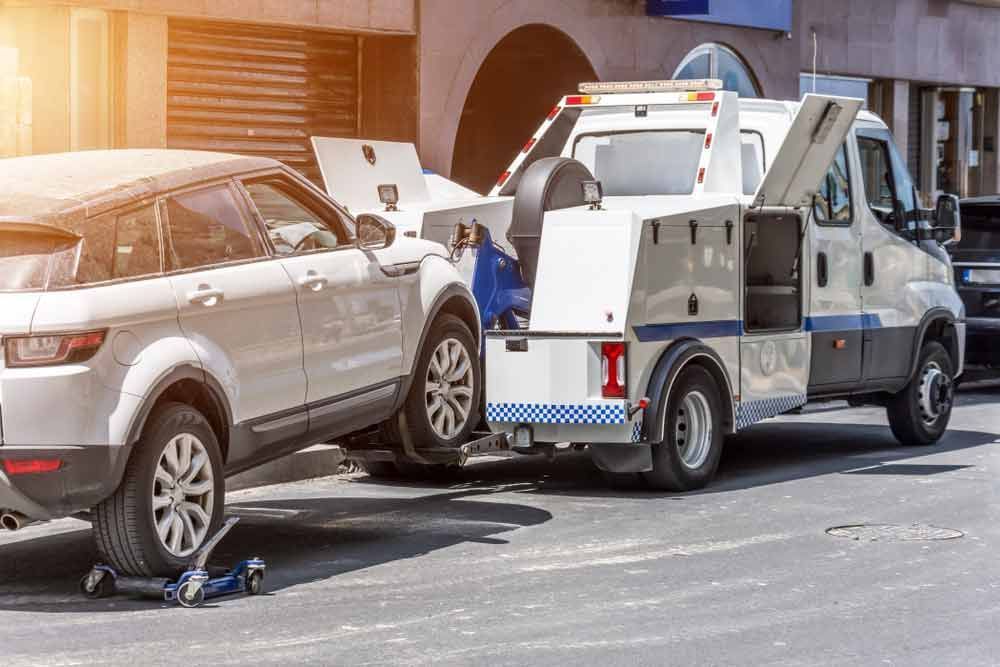
Knowing what typically happens when roadside assistance arrives can ease anxiety. Tow operators follow procedures designed to safely manage traffic and vehicle recovery.
Understanding the process helps drivers prepare mentally for the next steps.
- Vehicles are assessed before movement
- Traffic control may be established
- Instructions may be given for safety
- Vehicle recovery is planned carefully
- Next steps are explained clearly
Knowing what to expect helps reduce uncertainty at the roadside. Knowing what to expect helps reduce uncertainty at the roadside. Clear expectations make it easier to stay patient and focused while waiting for assistance to arrive.
Here at Trade & General Towing, we provide roadside assistance and towing services across Newcastle and surrounding areas, including support for drivers who find themselves stranded after dark. Night-time breakdowns present unique challenges, from reduced visibility to increased stress, and having support on the way can offer reassurance during an already difficult situation.
If you need
roadside assistance in Newcastle or require towing in Newcastle, you can
contact our team to arrange help when it’s needed most. To learn more about our services or to request assistance, visit us.