What's Included In Roadside Assistance? A Newcastle Driver's Guide
If you're wondering what does roadside assistance cover, the simple answer is help with common problems that can often be resolved where your vehicle has stopped. That can include a flat battery, flat tyre, running out of fuel and some vehicle lockouts. If the problem can't be safely fixed roadside, you'll usually need a tow instead. For Newcastle drivers, knowing what's included before a breakdown happens can save a lot of uncertainty. It also helps you explain the problem clearly when you call, so the right type of assistance can be arranged from the start.
What Does Roadside Assistance Cover?
Roadside assistance covers problems that can potentially be resolved at or near the place where your vehicle has broken down. The aim is to get you moving again safely without towing the vehicle if a roadside solution is practical.
Common reasons for calling roadside assistance include:
- A flat or discharged battery
- A flat tyre that needs changing
- Running out of petrol or diesel
- Certain vehicle lockouts and key problems
- A vehicle that won't start
- A breakdown where you're unsure whether a tow is necessary
So, what does roadside assistance cover in practice? It depends on what's wrong with the vehicle, its condition and whether the work can be carried out safely at your location. For example, a jump start in a safe car park is very different from a vehicle with a mechanical fault stopped beside a busy road. One may be resolved on the spot, while the other may need to be transported. If you're stranded locally,
roadside assistance Newcastle services can help establish whether the problem can be dealt with roadside or whether towing is the more appropriate option.
Flat Batteries and Jump Starts
A flat battery callout is one of the common reasons drivers need roadside help. If the battery has simply discharged, a jump start may be enough to get the engine running again. However, a vehicle that won't start doesn't automatically have a flat battery. Similar symptoms can result from problems with the starter motor, alternator, electrical system or other components.
Example: You return to your car after work, turn the key and hear the engine struggling to crank while the dashboard lights appear unusually dim. If a discharged battery is the cause and the vehicle responds normally to a jump start, you may be able to continue your journey. A jump start isn't a repair for an ageing or faulty battery. If the vehicle won't restart, won't remain running or shows signs of another electrical problem, further diagnosis may be required.
Flat Tyres and Wheel Changes
Flat tyre assistance can often help when you've got a damaged tyre and a serviceable spare wheel available. Before changing the wheel, the vehicle needs to be in a suitable position. According to industry best practice, roadside work should only be attempted where it can be completed without creating an unnecessary risk from traffic, unstable ground or other hazards.
A roadside wheel change will generally depend on:
- Having a usable spare or space-saver wheel
- Having the appropriate wheel-changing equipment
- Being able to remove the damaged wheel normally
- Having enough safe working space around the vehicle
Not every car carries a conventional spare tyre. Some newer vehicles use puncture repair kits or other alternatives, which can limit what's possible after significant tyre damage. If the tyre can't be dealt with at the roadside, there's no usable spare or the wheel itself has suffered damage, towing may be the safer solution.
Running Out of Fuel or Charge
Running out of petrol or diesel doesn't always mean you need a tow. If you find yourself running out of fuel roadside, help may involve supplying enough suitable fuel to get the vehicle started and allow you to reach a nearby service station. The correct fuel type needs to be confirmed before anything is added to the tank. If you've accidentally filled the vehicle with the wrong fuel, avoid starting or continuing to run the engine, as this can potentially cause further problems. Electric vehicles are different. If an EV runs out of usable charge, providing enough energy at the roadside to continue the journey may not be practical. Depending on the vehicle and circumstances, it may need to be transported to an appropriate charging location.
If you notice your fuel or charge getting critically low, find a safe place to stop rather than waiting for the vehicle to lose power somewhere more dangerous.
Lockouts and Key Issues
Roadside assistance may also help with certain vehicle lockouts and key-related problems. The solution depends heavily on the vehicle. Modern cars can use electronic key fobs, immobilisers, keyless entry systems and other security technology, so there's no single lockout method suitable for every make and model. Some situations may require an automotive locksmith, dealership or another specialist rather than standard roadside assistance. The priority should be gaining access without unnecessarily damaging the locks, windows, bodywork or security system.
When calling for help, explain whether the keys are visible inside the vehicle, lost completely or simply not working. Providing the vehicle make, model and approximate year can also help clarify what type of assistance may be required.
When Roadside Assistance Isn't Enough (and You Need a Tow)
Understanding what does roadside assistance cover also means knowing its limits. Roadside assistance is designed for problems that can reasonably and safely be dealt with where the vehicle has stopped. It isn't a substitute for workshop repairs when a vehicle has a significant mechanical problem or isn't safe to drive.
You may need a tow when the vehicle has:
- A mechanical failure that can't be resolved roadside
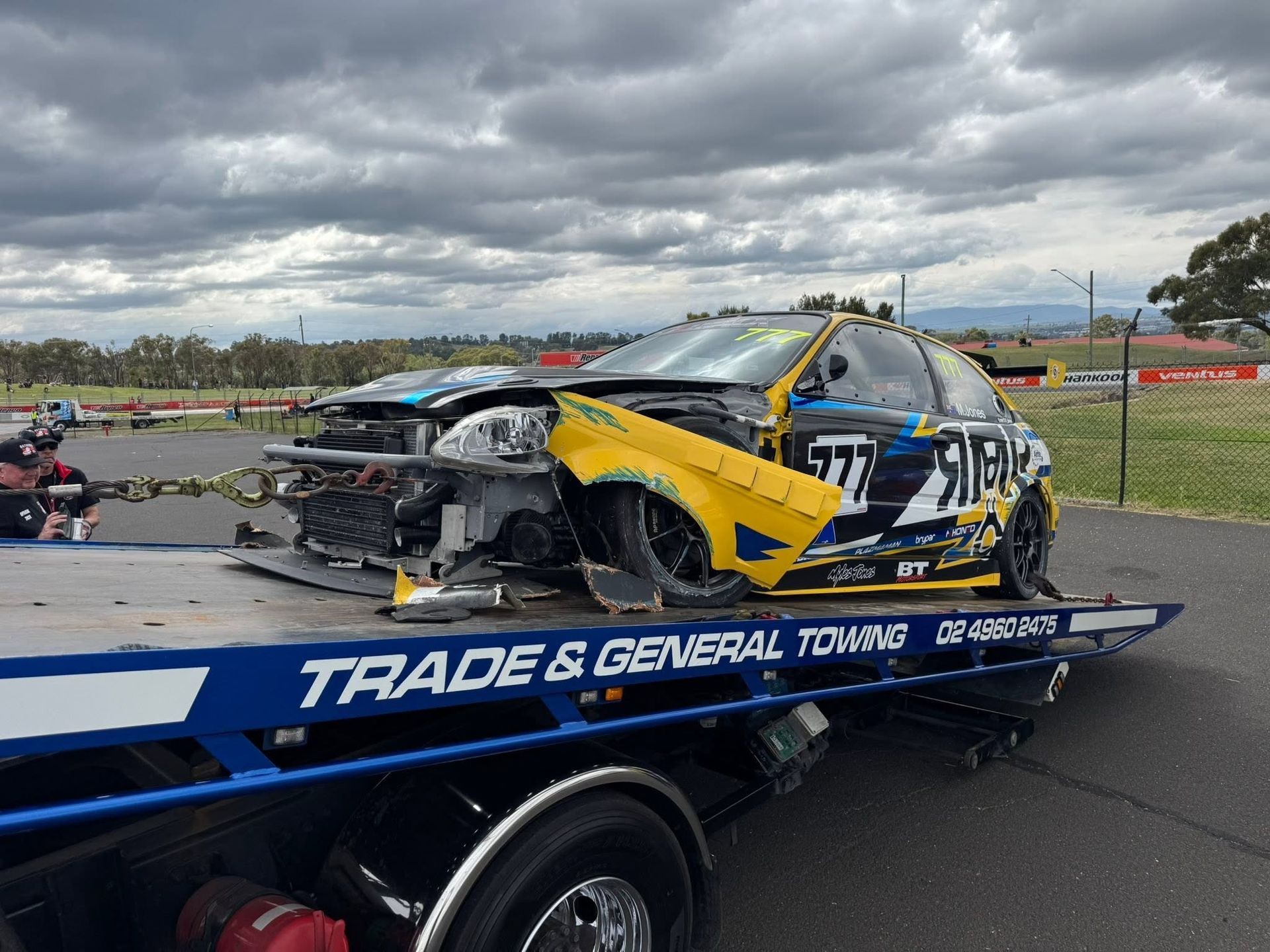
- Collision or accident damage
- A serious fluid leak
- An overheating problem that makes continued driving unsafe
- Steering, suspension or braking problems
- Severe tyre or wheel damage without a usable spare
- An electrical fault that prevents reliable operation
- A problem that requires workshop diagnosis or repair
A vehicle starting again doesn't necessarily mean it should be driven. If there are signs that continuing could be unsafe or cause additional damage, transporting it may be the better course of action. If the vehicle can't be made safely driveable,
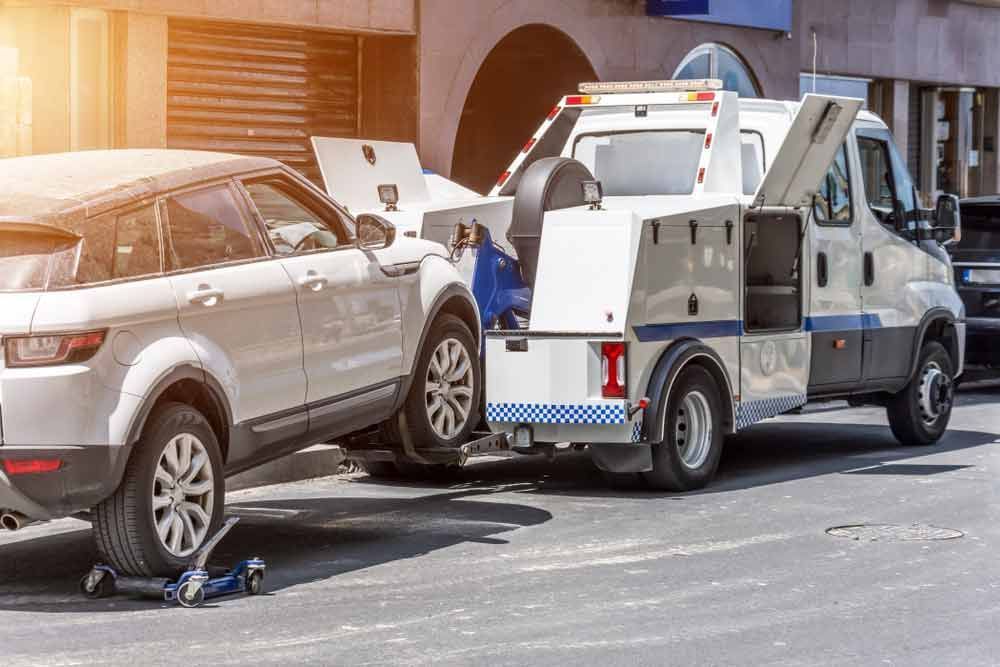
emergency towing Newcastle services can transport it from the breakdown location. If you already know the vehicle can't be driven, you can arrange a
tow truck in Newcastle rather than requesting a roadside fix first.
Getting Help Fast in Newcastle
If your vehicle breaks down in Newcastle, focus first on getting yourself and your passengers into the safest practical situation. If possible, move the vehicle away from moving traffic, switch on the hazard lights and avoid standing close to passing vehicles.
When you call for roadside assistance, be ready to provide:
- Your current location or a nearby landmark
- Your vehicle make and model
- Your registration number
- A description of what happened
- Any warning lights showing on the dashboard
- Details of unusual noises, smells, smoke or leaking fluids
- Whether the vehicle is in a hazardous or traffic-exposed location
- Whether you have a spare tyre if you're calling about a flat
Try to describe what the vehicle is doing rather than diagnosing the fault yourself. Saying, "The engine won't crank and the dashboard lights are dim," is generally more useful than simply saying, "The battery is dead." While you're waiting, avoid attempting repairs if they would put you or another person close to moving traffic. Our emergency roadside checklist covers practical steps to take before assistance arrives. The main takeaway is simple: what does roadside assistance cover? It covers many common breakdown situations where a safe roadside solution is possible. When the vehicle can't be fixed safely where it has stopped, towing provides the next step.
If you're stuck and don't know which service you need,
contact the team at
Trade & General Towing and explain what's happened. Our team can help establish whether roadside assistance or towing is appropriate and arrange the help you need in Newcastle.
FAQs
What does roadside assistance cover?
Roadside assistance commonly covers flat batteries, flat tyres, running out of fuel, certain lockouts and other minor breakdown problems that may be resolved where the vehicle has stopped. What can actually be done depends on the fault, the vehicle and whether roadside work can be carried out safely.
Can roadside assistance jump-start a flat battery?
Yes. A flat battery callout may include jump-starting the vehicle if a discharged battery is causing the problem. If the vehicle still won't start or there's an underlying charging or electrical fault, further diagnosis or towing may be required.
Does roadside assistance change flat tyres?
Flat tyre assistance can include replacing a damaged wheel with your vehicle's usable spare. This depends on having the necessary equipment and enough safe space to complete the wheel change.
What happens if I run out of fuel in Newcastle?
Roadside assistance may be able to supply enough of the correct fuel to get your vehicle moving again. If you've put the wrong fuel into the vehicle, avoid starting the engine and explain the situation when you request assistance.
Can roadside assistance help if my keys are locked in the car?
Some lockouts can be dealt with through roadside assistance, but it depends on the vehicle's locking and security systems. Certain situations may require an automotive locksmith, dealership or other specialist.
When should I call a tow truck instead of roadside assistance?
Call for towing when the vehicle is damaged, mechanically unsafe or has a problem that can't reasonably be resolved where it has stopped. If you're unsure, explain the symptoms and condition of the vehicle when you call so the appropriate assistance can be determined.